
A septic system is the most expensive appliance most rural homeowners own — a full replacement runs $10,000–$30,000+ — and the cheapest to keep healthy. Routine pumping costs a few hundred dollars every 3–5 years, and most catastrophic failures trace back to skipped pumping, flushed products that never belonged in a tank, or a drainfield that was slowly drowned.
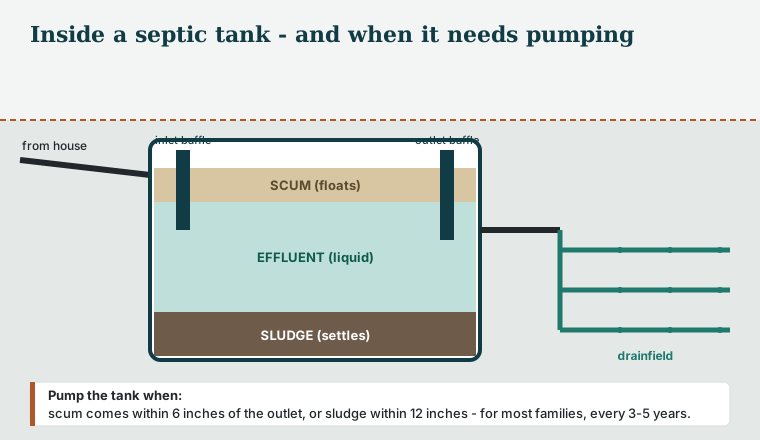
The maintenance that actually matters
Use the septic pumping frequency calculator to estimate a sensible pumping interval from tank size and household size.
| Task | Frequency | Typical cost | What it prevents |
|---|---|---|---|
| Tank pumping | Every 3–5 years (household-size dependent) | $300–$600 | Solids reaching and destroying the drainfield |
| Effluent filter cleaning | Per manufacturer/system schedule | Included with service | Clogs and backups |
| Inspection (aerobic systems) | Per state requirement, often annual | $100–$300 | Compliance issues, aerator failures |
| Watching what goes down the drain | Always | $0 | Nearly everything else |
For the full maintenance calendar — including what belongs to the homeowner and what belongs to a professional — see our complete septic tank maintenance guide.
Guides in this section
- Septic tank pumping: cost, frequency, and what to expect
- Septic Tank Maintenance: The Complete Schedule and Checklist
A note on “miracle” additives
Routine septic additives are not necessary for a normally functioning residential system. EPA says septic systems already contain the microorganisms they need, while some chemical or solvent-based additives can interfere with treatment or harm the system or environment. For the evidence and practical maintenance alternatives, see our complete septic tank maintenance guide.